Building Better Habits for Brighter Futures

Help your children learn important life habits through fun, interactive experiences designed specifically for young minds.

Start Your Child's Journey

Why Habits Matter for Children

Early childhood is the most critical time for developing habits that last a lifetime.

Building Foundations for Life

Children are naturally curious and absorb information quickly. The habits they form during their early years significantly impact their future success and well-being.

However, in today's world of constant distractions and technological stimulation, teaching consistent good habits can be challenging for parents and educators alike.

Without proper guidance, children might develop behaviors that:

  • Hinder their learning abilities
  • Affect social relationships
  • Impact physical and mental health
  • Create challenges that follow them into adulthood

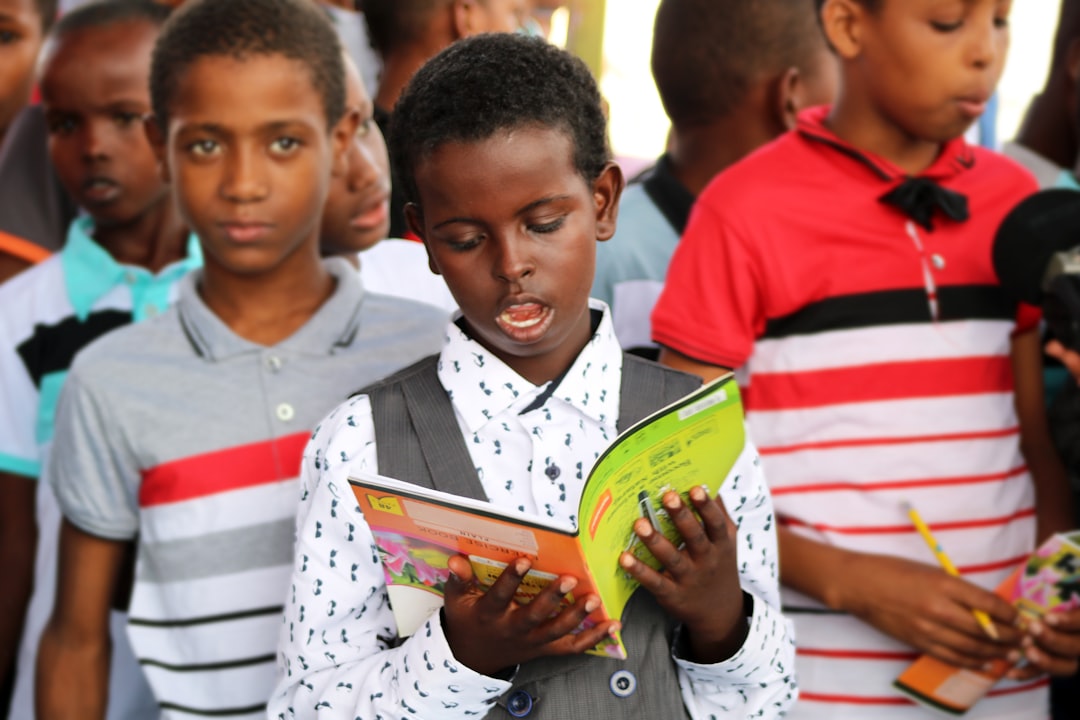
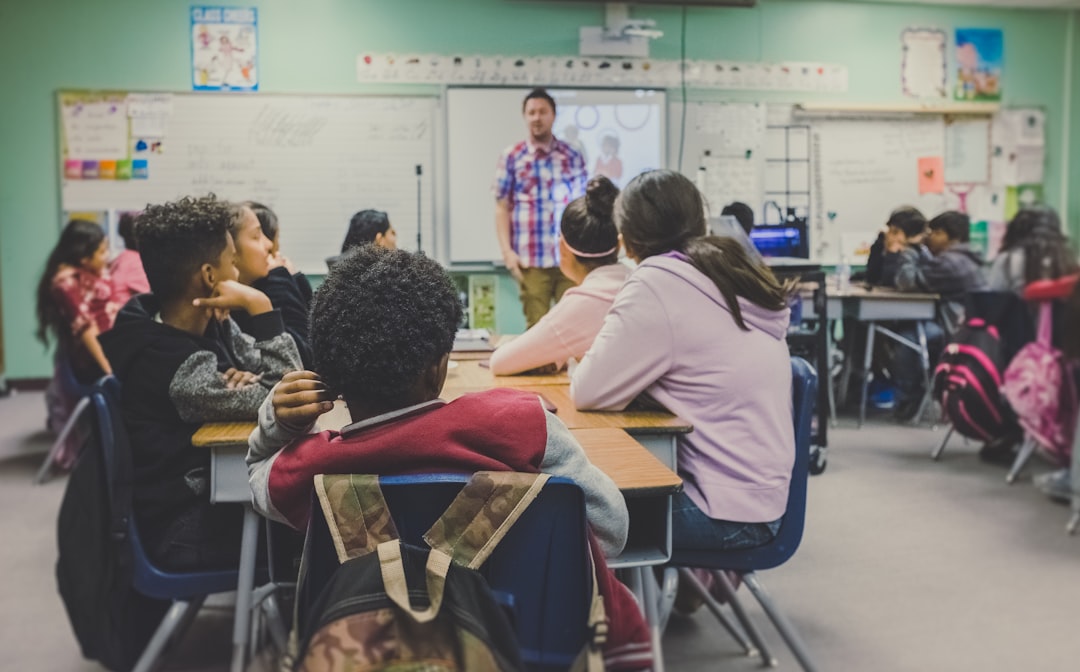
Children learning in a classroom environment

Our Learning Approach

KidLearn makes habit formation fun, engaging, and effective for children of all ages.

Interactive Learning That Works

KidLearn uses a balanced approach combining educational psychology, interactive activities, and positive reinforcement to help children develop important habits.

Our program is designed by child development experts and educators to ensure age-appropriate content that genuinely connects with kids while providing real results.

Through colorful visuals, engaging stories, and interactive games, children learn to distinguish between good and bad habits - understanding not just what to do, but why certain habits matter.

Explore Our Approach
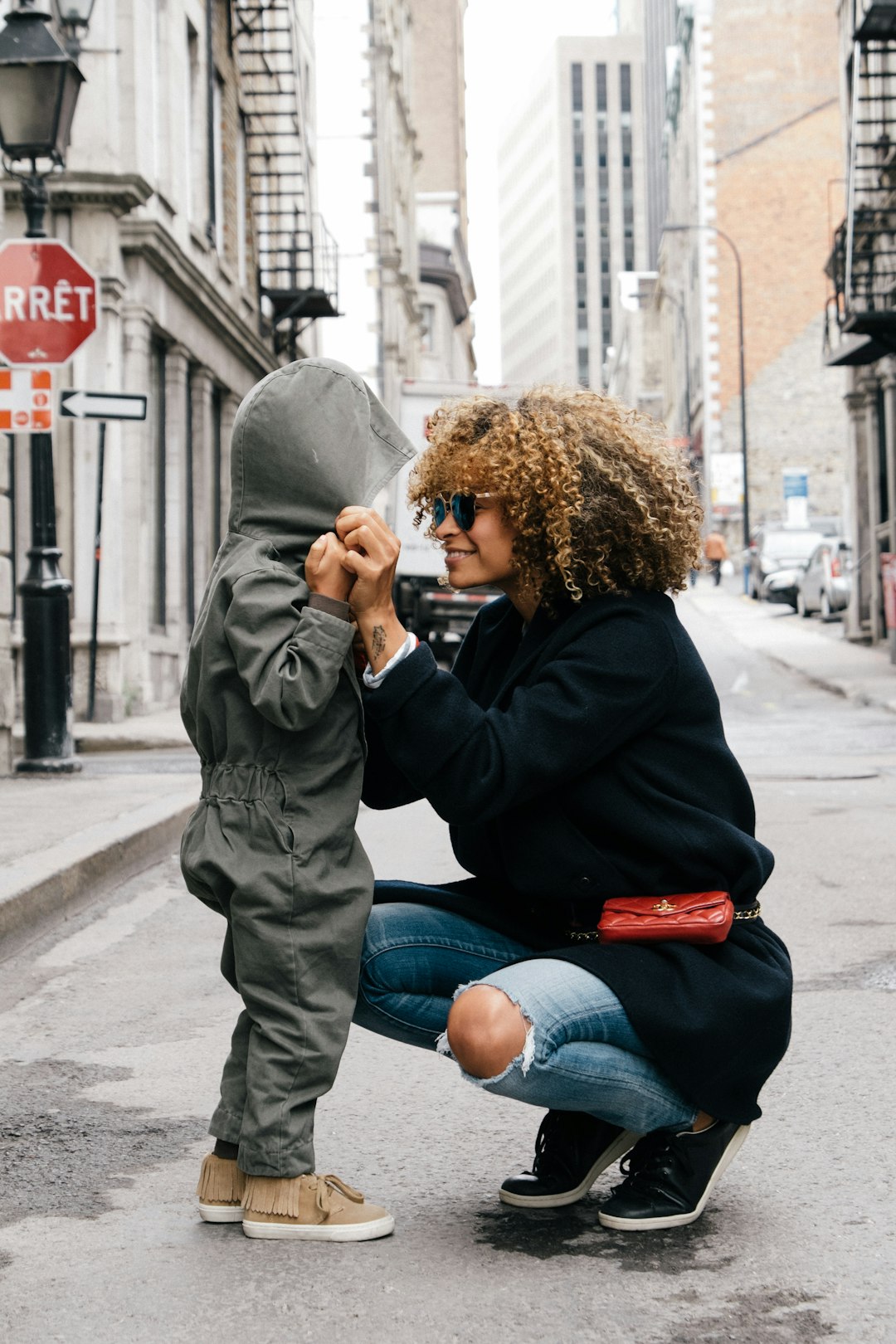
Children engaged in interactive learning activities

Benefits of Early Habit Formation

Helping children develop positive habits early creates a foundation for lifelong success.

🧠

Cognitive Development

Good habits support brain development and enhance learning abilities, setting children up for academic success.

🤝

Social Skills

Positive habits help children develop better relationships with peers and adults through improved communication and empathy.

💪

Physical Health

Healthy habits around exercise, nutrition, and sleep establish patterns that contribute to lifelong physical wellbeing.

😊

Emotional Regulation

Children learn to understand and manage their emotions, building resilience and mental health foundations.

Self-Discipline

Consistent habits teach children responsibility, time management, and how to set and achieve goals.

🌱

Lifelong Growth

The habits formed in childhood often persist throughout life, creating a foundation for continued personal development.

Learning Good & Bad Habits

Our interactive content helps children understand the difference between habits that help them thrive and those that hold them back.

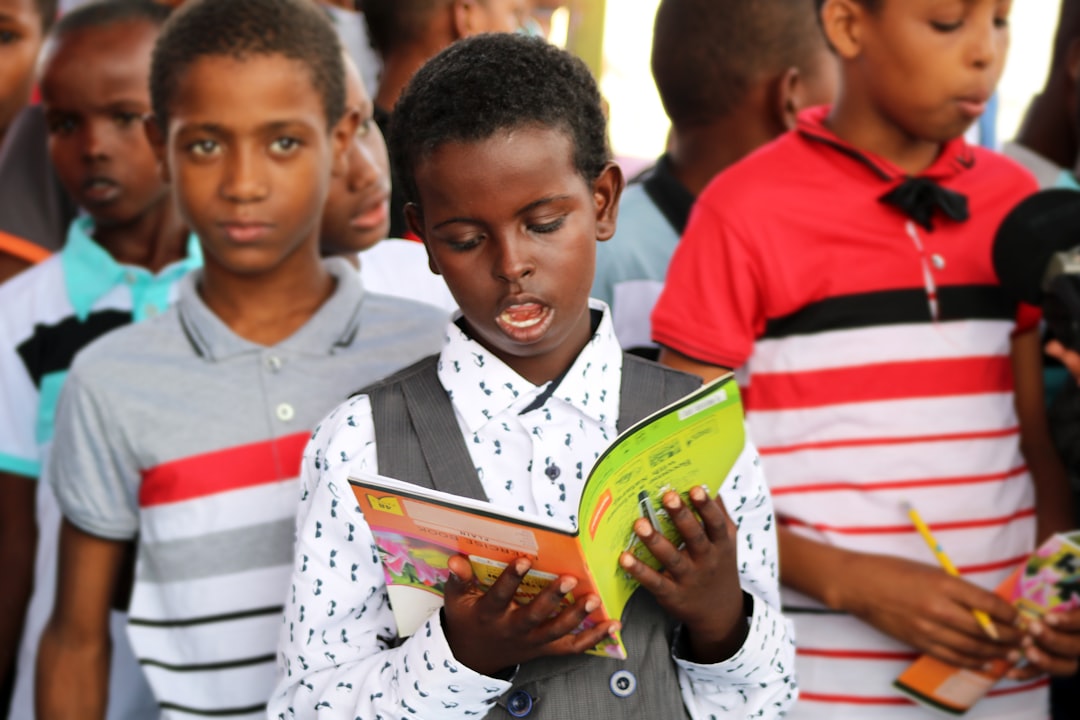
Child reading a book
Good Habit

Regular Reading

Reading regularly helps children develop vocabulary, imagination, and critical thinking skills while creating a lifelong love of learning.

Child using smartphone excessively
Bad Habit

Too Much Screen Time

Excessive screen time can impact sleep, reduce physical activity, and limit development of important social and cognitive skills.

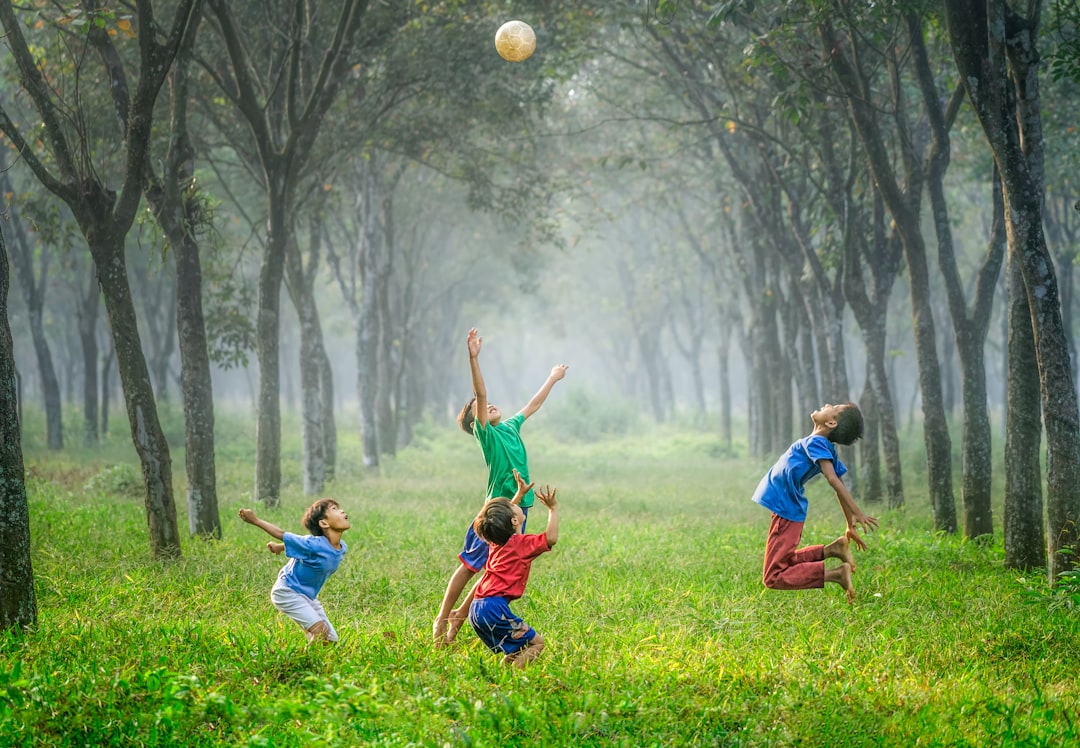
Children playing and exercising outdoors
Good Habit

Regular Physical Activity

Daily exercise and outdoor play support physical development, improve mood, and help children maintain healthy weight and energy levels.

Child eating unhealthy junk food
Bad Habit

Unhealthy Eating

Poor nutrition habits like excessive sugar consumption or skipping meals can affect growth, concentration, and overall health.

Child sleeping peacefully
Good Habit

Consistent Sleep Schedule

Regular sleep patterns support brain development, memory consolidation, and help children maintain focus and emotional balance.

Messy, disorganized child's room
Bad Habit

Disorganization

Being disorganized with belongings and responsibilities can lead to stress, wasted time, and difficulty completing tasks effectively.

What Parents & Educators Say

Hear from others who have seen positive changes in children's habits.

"The way KidLearn presents good and bad habits has made such a difference for my 6-year-old. He now understands why certain habits matter and even reminds ME to practice them!"

Sarah T., Parent of a 6-year-old

Sarah T.

Parent of a 6-year-old

"As a kindergarten teacher, I've incorporated KidLearn's habit education into our daily routine. The visual comparisons between good and bad habits are perfect for young learners."

Michael R., Kindergarten Teacher

Michael R.

Kindergarten Teacher

"My twins struggled with their morning routine until we started using KidLearn. The engaging way it presents habits has transformed our mornings from chaotic to calm."

Jennifer M., Parent of twins

Jennifer M.

Parent of twins

Frequently Asked Questions

Get answers to common questions about children's habit development.

At what age should children start learning about habits? +

Children can begin learning simple habits as early as 2-3 years old. At this stage, focus on very basic routines like putting toys away or washing hands. As they grow, you can introduce more complex habits and the reasoning behind them. Our content is designed for children ages 3-10, with different approaches for different developmental stages.

How long does it take for a child to form a new habit? +

While adults often hear that habits take 21 days to form, children can vary widely. Some may adopt new habits within a week or two with consistent reinforcement, while others might take a month or more. Consistency, positive reinforcement, and making the habit fun are key factors in successful habit formation for children.

How do I help my child break a bad habit? +

Breaking bad habits requires patience and a positive approach. First, identify potential triggers for the habit. Then, work with your child to develop a replacement behavior. Focus on praising progress rather than criticizing setbacks. Our bad habits section includes specific strategies for common childhood habits that parents want to address.

What if my child resists forming new habits? +

Resistance is normal! Try making the habit more enjoyable by turning it into a game, using a reward system for consistency, or involving your child in planning how to implement the habit. Sometimes breaking the habit into smaller steps can also make it feel more manageable. Our approach focuses on making habit formation fun rather than feeling like a chore.

How can I model good habits for my child? +

Children learn primarily through observation. The most powerful way to teach good habits is to practice them yourself. Make your own habit practice visible by talking through what you're doing and why. For example, "I'm putting my phone away during dinner so we can enjoy our family time together." When children see the adults they respect practicing good habits, they're much more likely to adopt those behaviors.

Start Your Child's Habit Journey Today

Get access to our comprehensive learning materials designed to make habit formation engaging and effective for children. Register below for our free starter pack!